

Contra Rotary Mixer Manufacturer
Ointment Manufacturing Plants
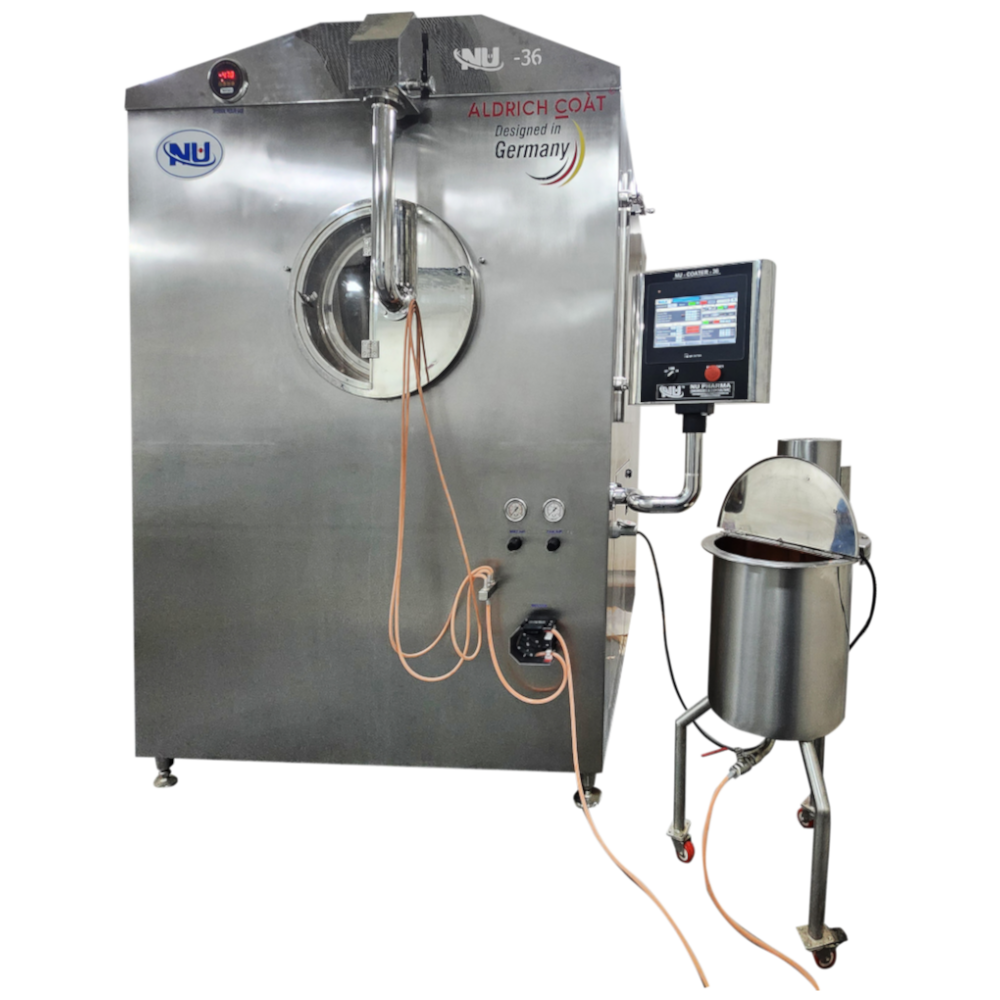
In pharmaceutical, cosmetic, and personal care manufacturing, achieving consistent mixing and uniform product quality is essential. A Contra Rotary Mixer is designed for applications where efficient mixing, controlled processing, and reliable batch-to-batch consistency are required. As an experienced Ointment Manufacturing Plant manufacturer, we provide professionally engineered mixing equipment suitable for pharmaceutical ointments, creams, gels, lotions, and other semi-solid formulations.
Our Contra Rotary Mixer is developed to handle demanding mixing applications while supporting hygienic production practices. The equipment can be integrated into a complete Ointment Manufacturing Plant according to the production capacity, formulation characteristics, and process requirements of the customer.
With suitable construction materials, controlled agitation, and optional vacuum processing, the mixer can help manufacturers achieve a smooth and homogeneous product while maintaining efficient production.
Share your requirements to our experts ? We are here for you
What Is a Contra Rotary Mixer?
A Contra Rotary Mixer is a specialized mixing machine in which the mixing elements operate in opposite or counter-rotating directions. This movement creates intensive mixing and helps distribute ingredients throughout the batch.
The counter-rotating action can be particularly useful for products with different viscosities or formulations that require thorough blending. Depending on the application, the mixer can be configured with suitable agitators, scrapers, homogenizing arrangements, heating or cooling systems, and vacuum capabilities.
In an ointment manufacturing process, the mixer may be used for blending and processing bases, active pharmaceutical ingredients, waxes, oils, emulsifying agents, and other formulation components.
The design of the mixer is selected according to factors such as:
- Product viscosity
- Batch size
- Mixing time
- Required homogeneity
- Heating and cooling requirements
- Vacuum requirements
- Product sensitivity
- Cleaning requirements
- Production capacity
Why Choose a Contra Rotary Mixer for Ointment Manufacturing?
Ointments and creams are semi-solid formulations that often require controlled processing. Poor mixing can result in inconsistent texture, uneven ingredient distribution, air entrapment, or variations between batches.
A properly designed Contra Rotary Mixer Machine helps address these challenges through controlled and intensive mixing.
1. Uniform Mixing
The counter-rotating movement promotes effective circulation of the product inside the vessel. This helps achieve a consistent distribution of ingredients and supports uniform product quality.
2. Suitable for High-Viscosity Products
Many pharmaceutical and cosmetic formulations become highly viscous during processing. A suitably designed Pharmaceutical Mixer can provide the mechanical action needed to process such products effectively.
3. Improved Product Consistency
Controlled mixing conditions help manufacturers maintain repeatable processing parameters from one batch to another. This is particularly important for pharmaceutical manufacturing, where consistent product characteristics are essential.
4. Vacuum Processing Capability
For formulations where air removal is important, a vacuum arrangement can be incorporated into the mixer. Vacuum processing can help minimize entrapped air and support the production of smooth ointments and creams.
5. Hygienic Construction
For pharmaceutical applications, equipment is generally designed with hygienic product-contact surfaces. Stainless-steel construction and suitable surface finishing can make the equipment easier to clean and maintain.
Contra Rotary Mixer for Ointment Manufacturing Plant
A complete Ointment Manufacturing Plant consists of several processing and supporting systems. The mixing stage is one of the most important sections because it directly influences the consistency and quality of the finished formulation.
A typical ointment manufacturing process may involve:
- Raw material dispensing
- Preparation of the oil phase
- Preparation of the aqueous phase, where applicable
- Heating and melting
- Mixing
- Emulsification or homogenization
- Vacuum deaeration
- Cooling
- Final product transfer
- Filling and packaging
The Contra Rotary Mixer can be integrated into the appropriate stage of this process depending on the formulation and manufacturing method.
For more complex formulations, the mixer can be combined with homogenizing equipment to provide both bulk mixing and high-shear processing.
Key Features of Contra Rotary Mixer
Our Contra Rotary Mixer Machine can be engineered with features designed to support pharmaceutical, cosmetic, and other hygienic manufacturing applications.
Important features may include:
- Robust stainless-steel construction
- Counter-rotating mixing arrangement
- Variable mixing speed options
- Suitable agitator design
- Heating and cooling provisions
- Vacuum processing capability
- Product-contact surfaces suitable for hygienic production
- Mechanical or hydraulic lifting arrangements, depending on design
- Scraper arrangement for improved product movement
- Temperature monitoring
- Controlled discharge
- Easy access for cleaning and inspection
- Customizable batch capacity
- Integration with homogenizer systems
- PLC/HMI-based control options
The exact configuration can be customized according to the formulation, batch size, production requirements, and plant layout.
Construction of Contra Rotary Mixer
Material selection is particularly important when manufacturing equipment for pharmaceutical and cosmetic applications.
The product-contact parts of a Contra Rotary Mixer are commonly manufactured from suitable stainless steel grades selected according to the application and customer requirements. The internal surfaces can be finished to an appropriate hygienic standard.
The vessel, agitator, shaft, seals, valves, and other components are selected with consideration for:
- Product compatibility
- Corrosion resistance
- Cleaning requirements
- Operating temperature
- Vacuum conditions
- Mechanical loads
- Regulatory and hygienic requirements
A properly engineered construction helps improve equipment durability and supports reliable long-term operation.
Working Principle of Contra Rotary Mixer
The working principle of a Contra Rotary Mixer is based on the movement of two mixing components in counter-rotating directions.
When the mixing elements rotate against each other, the product experiences different mechanical forces. These forces help move the material throughout the vessel and encourage the blending of ingredients.
During ointment production, the formulation can pass through different mixing zones within the vessel. The counter-rotating action helps reduce stagnant areas and promotes consistent distribution.
If heating is required, the vessel may be equipped with a jacket through which a suitable heating medium is circulated. This allows the product temperature to be controlled during processing.
Similarly, cooling can be provided after heating or during the final stages of manufacturing.
When vacuum processing is incorporated, air can be removed from the vessel during appropriate stages of the process. This can be beneficial when manufacturing smooth, air-free creams and ointments.
Applications of Contra Rotary Mixer
A Contra Rotary Mixer can be used across several industries where controlled mixing of semi-solid or viscous materials is required.
Pharmaceutical Industry
In pharmaceutical manufacturing, the mixer can be used for formulations such as:
- Ointments
- Creams
- Gels
- Semi-solid pharmaceutical preparations
- Topical formulations
- Dermatological products
The final application depends on the formulation and validated manufacturing process.
Cosmetic Industry
Cosmetic manufacturers can use suitable mixing systems for:
- Skin creams
- Moisturizers
- Cosmetic gels
- Hair creams
- Lotions
- Personal-care formulations
Ayurvedic and Herbal Products
The equipment may also be suitable for certain herbal and Ayurvedic semi-solid formulations, subject to product characteristics and process requirements.
Chemical and Specialty Products
Suitable configurations can be used for selected specialty chemical and industrial formulations where intensive mixing is required.
Contra Rotary Mixer Manufacturer
Choosing the right Contra Rotary Mixer Manufacturer is important because mixing equipment must be matched to the actual production process.
As an Ointment Manufacturing Plant manufacturer, we understand that every formulation can have different processing requirements. A mixer designed for a low-viscosity cream may not provide the same performance for a highly viscous ointment.
Therefore, equipment selection should consider:
Batch Capacity: The working volume should correspond to the required production quantity while allowing adequate mixing space.
Viscosity: High-viscosity products require appropriate mechanical design and drive capacity.
Heating Requirements: Some ointment formulations require controlled heating for melting and blending.
Cooling Requirements: Controlled cooling may be necessary after emulsification or heating.
Vacuum: Vacuum processing can be selected when deaeration or closed processing is required.
Homogenization: Some formulations require additional high-shear homogenization to achieve the desired texture and dispersion.
Cleaning: Hygienic design and accessible product-contact areas are important for pharmaceutical manufacturing.
Advantages of Using a Contra Rotary Mixer
A well-designed Contra Rotary Mixer can offer several advantages for modern manufacturing operations.
Efficient Mixing
Counter-rotating mixing action can provide effective product movement, helping manufacturers achieve uniformity.
Process Flexibility
The equipment can be configured for different formulations and processing conditions.
Controlled Temperature
Heating and cooling arrangements can help maintain the required processing temperature.
Vacuum Capability
Vacuum operation can support deaeration and reduce the presence of entrapped air in suitable formulations.
Consistent Production
Controlled mixing parameters can help manufacturers maintain greater consistency between production batches.
Industrial Durability
Robust construction and correctly selected drive components can support continuous industrial production.
Importance of Homogenization in Ointment Manufacturing
Mixing and homogenization are related but different processes.
A mixer primarily promotes bulk movement and blending, while a homogenizer can apply higher shear to reduce particle or droplet size and improve dispersion.
Depending on the formulation, an Ointment Manufacturing Plant may therefore use a combination of:
- Manufacturing vessel
- Contra rotary mixer
- High-shear homogenizer
- Vacuum system
- Heating/cooling system
- Transfer pump
- Storage vessel
- Filling machine
The final equipment configuration should be determined after evaluating the formulation and process requirements.
Customization Options
Different pharmaceutical and cosmetic manufacturers have different production requirements. For this reason, a Contra Rotary Mixer Manufacturer should be able to provide customized equipment configurations.
Customization may include:
- Batch capacity
- Vessel dimensions
- Agitator configuration
- Motor capacity
- Mixing speed
- Vacuum level
- Heating system
- Cooling system
- Temperature sensors
- Control panel
- PLC and HMI
- Homogenizer arrangement
- Bottom or side discharge
- Transfer connection
- Surface finish
- Automation level
Customized engineering can help manufacturers integrate the mixer efficiently into their existing or new production facility.
Contra Rotary Mixer for Pharmaceutical Manufacturing
Pharmaceutical manufacturing requires equipment designed around product quality, process repeatability, hygiene, and operational reliability.
A Pharmaceutical Contra Rotary Mixer can be configured to meet the requirements of semi-solid manufacturing applications. The product-contact construction, sealing arrangement, control system, and cleaning approach can all be considered during equipment design.
For regulated manufacturing facilities, the equipment should be selected and installed according to the applicable regulatory, validation, safety, and quality requirements of the intended market.
How to Select the Right Contra Rotary Mixer
Before purchasing a Contra Rotary Mixer Machine, manufacturers should evaluate the complete production process rather than selecting equipment based only on vessel capacity.
Consider the following questions:
- What is the batch size?
- What is the minimum and maximum working volume?
- What is the product viscosity?
- Does the formulation require heating?
- Does it require cooling?
- Is vacuum processing necessary?
- Is homogenization required?
- What mixing speed is appropriate?
- What type of discharge is preferred?
- What cleaning procedure will be used?
- What level of automation is required?
- What material and surface finish are required?
- How will the mixer integrate with the rest of the plant?
Answering these questions allows the equipment manufacturer to recommend a suitable configuration.
Complete Ointment Manufacturing Plant Solutions
Rather than supplying an individual machine alone, an experienced Ointment Manufacturing Plant Manufacturer can provide equipment for the complete manufacturing process.
Depending on the project, a plant may include:
- Manufacturing vessels
- Contra rotary mixers
- Ointment manufacturing vessels
- Vacuum emulsifying systems
- Homogenizers
- Storage tanks
- Transfer pumps
- Filtration systems
- Ointment filling machines
- Tube filling machines
- Washing systems
- Packaging equipment
- Control and automation systems
The equipment can be planned according to production capacity, available space, formulation requirements, and desired automation level.
Maintenance of Contra Rotary Mixer
Regular maintenance is essential for reliable mixer performance.
Important maintenance activities include inspection of:
- Mixing shafts
- Bearings
- Mechanical seals
- Gearboxes
- Motors
- Agitators
- Valves
- Vacuum connections
- Temperature sensors
- Control components
- Gaskets and seals
Cleaning should be performed according to the manufacturer’s recommendations and the site’s validated cleaning procedure.
Preventive maintenance can help identify mechanical wear before it develops into an unexpected production problem.
Why Partner With an Experienced Ointment Manufacturing Plant Manufacturer?
A mixer is only one component of a complete production system. Working with a manufacturer experienced in Ointment Manufacturing Plant projects can make it easier to coordinate equipment selection, process requirements, utilities, layout, and integration.
An experienced manufacturer can assist with:
- Process understanding
- Equipment selection
- Customized engineering
- Plant layout
- Manufacturing
- Automation
- Installation support
- Commissioning support
- Documentation
- After-sales service
This integrated approach can help pharmaceutical and cosmetic manufacturers develop a production system suited to their specific requirements.
Conclusion
A Contra Rotary Mixer is an important mixing solution for applications requiring efficient blending of semi-solid and viscous formulations. With counter-rotating mixing action, optional vacuum processing, heating and cooling capabilities, and hygienic construction, the equipment can be configured for a wide range of pharmaceutical and cosmetic manufacturing processes.
As an Ointment Manufacturing Plant manufacturer, we focus on providing equipment solutions that can be adapted to formulation characteristics, batch capacity, process requirements, and production goals. Whether you are establishing a new pharmaceutical facility or upgrading an existing production line, selecting the appropriate mixer is an important step toward achieving consistent and efficient manufacturing.
If you are looking for a Contra Rotary Mixer Manufacturer, Contra Rotary Mixer Supplier, Pharmaceutical Mixer Manufacturer, or complete Ointment Manufacturing Plant, a customized equipment solution can be developed based on your product, batch size, and manufacturing process.