

Ointment Manufacturing Plant
Introduction
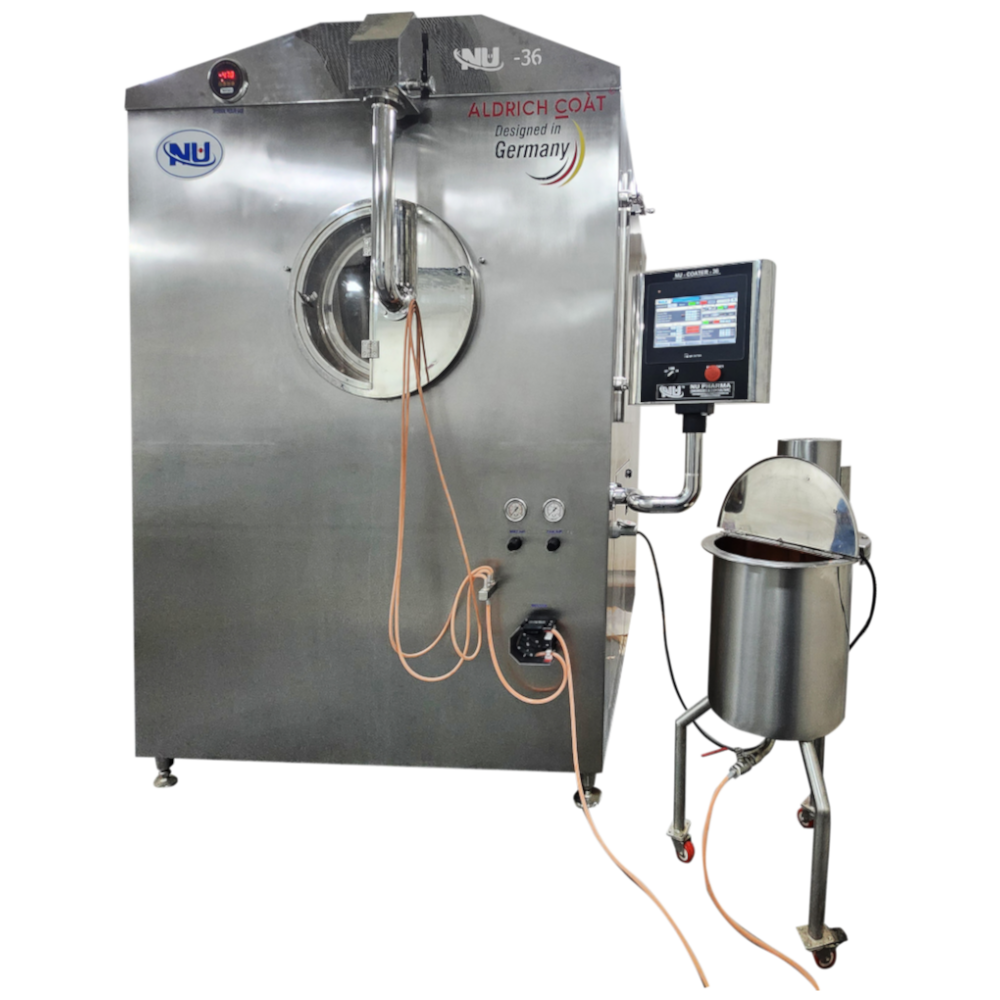
The pharmaceutical industry continues to expand with growing demand for topical medicines, dermatological products, pain-relief formulations, antiseptic preparations, and other external-use medications. Among these products, ointments remain an important dosage form because they can provide prolonged contact with the skin and support the delivery of active pharmaceutical ingredients (APIs).
For businesses planning to enter this segment, establishing an efficient Ointment Manufacturing Plant requires careful consideration of the manufacturing process, facility design, machinery, raw materials, quality control, packaging, utilities, and applicable regulatory requirements.
A properly planned ointment manufacturing facility can help manufacturers achieve consistent product quality, efficient production, improved hygiene, and better operational control. This guide explains the key aspects of an ointment manufacturing plant and the factors that should be evaluated before starting production.
Share your requirements to our experts ? We are here for you
What Is an Ointment Manufacturing Plant?
An Ointment Manufacturing Plant is a pharmaceutical production facility designed for the formulation, processing, filling, packaging, and quality testing of ointment-based products.
Ointments are semisolid preparations generally intended for application to the skin or other external areas. Depending on the formulation, they may contain active ingredients dispersed or dissolved in a suitable base.
Common ointment products may include:
- Dermatological ointments
- Antibacterial ointments
- Antifungal ointments
- Anti-inflammatory ointments
- Pain-relief ointments
- Antiseptic ointments
- Protective skin ointments
- Wound-care preparations
- Medicated topical formulations
The exact formulation, production method, equipment configuration, and facility requirements depend on the type of product being manufactured and the applicable regulatory standards.
Ointment Manufacturing Plant Setup
Setting up an ointment manufacturing plant involves much more than purchasing production machinery. The facility should be planned around product requirements, production capacity, personnel movement, material flow, cleaning procedures, environmental controls, and quality assurance.
A typical plant may include separate or appropriately controlled areas for:
- Raw material storage
- Packaging material storage
- Dispensing and weighing
- Manufacturing
- Homogenization
- Filling
- Packaging
- Quality control
- Finished goods storage
- Utilities and maintenance
- Personnel changing areas
- Administrative and documentation areas
The layout should support an organized flow of materials and personnel while minimizing the risk of contamination and mix-ups.
For pharmaceutical production, facility planning should be aligned with the relevant Good Manufacturing Practice (GMP) requirements and local regulatory expectations.
Ointment Manufacturing Process
The ointment manufacturing process varies according to the formulation and type of base used. However, a general production sequence typically includes preparation of raw materials, base preparation, addition of active ingredients, mixing or homogenization, cooling, filling, and packaging.
1. Raw Material Dispensing
The manufacturing process generally begins with the dispensing of approved raw materials.
Depending on the formulation, materials can include:
- Active pharmaceutical ingredients
- Petroleum-based ingredients
- Waxes
- Oils
- Emulsifying agents
- Preservatives
- Antioxidants
- Stabilizers
- Other formulation excipients
Materials should be identified, tested, approved, and accurately weighed according to the approved manufacturing formula.
Proper dispensing procedures are important because even small variations in ingredient quantities can influence the consistency, stability, appearance, and performance of the final ointment.
2. Base Preparation
The selected ointment base is prepared in the manufacturing vessel. Ingredients that require melting may be heated under controlled conditions.
Temperature control is particularly important when working with waxes, oils, or other temperature-sensitive materials.
The objective is to create a uniform base with the required physical characteristics before the active ingredient or other components are incorporated.
3. Addition of Active Ingredients
Once the base reaches the required processing condition, the active pharmaceutical ingredient is introduced according to the approved manufacturing procedure.
Depending on its characteristics, the API may be dissolved, dispersed, or pre-mixed with a suitable excipient before being incorporated into the main batch.
Controlled addition can help prevent issues such as lump formation, incomplete dispersion, or concentration differences within the batch.
4. Mixing and Homogenization
Mixing and homogenization are important stages of ointment production.
A suitable homogenizer or mixing system helps achieve uniform distribution of the active ingredient and other components throughout the formulation.
The required mixing speed, temperature, time, and vacuum conditions depend on the product formulation.
Effective homogenization can contribute to a smooth texture, consistent appearance, and uniform product quality.
5. Cooling
After processing, the ointment may be cooled under controlled conditions.
Cooling parameters should be managed carefully because the physical properties of an ointment can change considerably with temperature.
The product should reach the appropriate consistency before it moves to the filling stage.
6. Filling
The finished ointment is transferred to a suitable filling machine.
Depending on the product and packaging format, ointments may be filled into:
- Aluminium tubes
- Plastic tubes
- Laminated tubes
- Jars
- Containers
- Other approved packaging systems
The filling machine should provide accurate and consistent filling while maintaining appropriate hygiene and minimizing product loss.
7. Sealing and Packaging
After filling, tubes or containers are sealed and inspected.
The packaging process may include:
- Tube sealing
- Batch coding
- Label application
- Cartoning
- Leaflet insertion
- Final inspection
- Secondary packaging
Packaging is an important part of the manufacturing operation because it protects the product and provides essential information such as batch number, manufacturing date, expiry date, storage instructions, and product details.
Ointment Manufacturing Equipment
The selection of ointment manufacturing equipment depends on the formulation, batch size, automation level, and production requirements.
Common equipment used in an ointment manufacturing plant can include:
Manufacturing Vessel
A manufacturing vessel is used for preparing and processing the ointment formulation. Depending on the application, it may be equipped with heating, cooling, agitation, and other process-control features.
Ointment Manufacturing Plant Homogenizer
A homogenizer helps achieve a smooth and uniform product by reducing particle size and improving the distribution of ingredients.
Planetary Mixer
Planetary mixers may be used for specific semisolid formulations where controlled and intensive mixing is required.
Storage or Holding Vessel
A holding vessel can be used to temporarily store the processed ointment before filling.
Vacuum System
Vacuum processing can help reduce air incorporation into the product and may be beneficial for achieving a smoother finished formulation.
Ointment Filling Machine
An ointment filling machine accurately fills the prepared product into tubes, jars, or other containers.
Tube Sealing Machine
For tube-packed products, a tube sealing machine is used to securely close the filled containers.
Washing and Cleaning Equipment
Appropriate cleaning systems are essential for maintaining hygienic manufacturing conditions and reducing the risk of cross-contamination.
The equipment configuration should be selected according to the formulation, capacity, regulatory requirements, and desired level of automation.
Importance of GMP in Ointment Manufacturing
Good Manufacturing Practice (GMP) plays a critical role in pharmaceutical production.
An ointment manufacturing facility should be designed and operated to maintain consistent product quality. GMP principles generally address areas such as:
- Personnel hygiene
- Facility design
- Equipment qualification
- Cleaning procedures
- Raw material control
- Production documentation
- Quality control
- Process validation
- Batch traceability
- Storage conditions
- Packaging operations
A well-designed facility makes it easier to establish controlled manufacturing processes and maintain proper documentation.
Manufacturers should identify and comply with the pharmaceutical regulations applicable to their target market rather than relying on a single universal standard.
Quality Control in an Ointment Manufacturing Plant
Quality control is an essential part of the pharmaceutical ointment manufacturing process.
Raw materials, in-process materials, packaging materials, and finished products may require testing according to approved specifications and applicable regulations.
Depending on the formulation, quality parameters may include:
- Appearance
- Colour
- Odour
- pH, where applicable
- Viscosity
- Spreadability
- Content of active ingredient
- Uniformity
- Microbial quality
- Stability characteristics
- Fill weight
- Packaging integrity
The quality control laboratory should have suitable equipment, trained personnel, documented procedures, and appropriate environmental conditions.
Quality assurance also plays an important role by overseeing systems such as documentation, deviation management, change control, CAPA, validation, and batch release.
Raw Materials Required for Ointment Production
The raw materials used in ointment manufacturing depend entirely on the formulation.
Typical ingredients may include an active pharmaceutical ingredient along with suitable bases and excipients.
Examples of ointment bases and formulation components can include:
- White soft paraffin
- Liquid paraffin
- Waxes
- Mineral oils
- Polyethylene glycols
- Emulsifying agents
- Fatty alcohols
- Preservatives
- Antioxidants
- Stabilizers
Not every ointment uses the same ingredients. The selection depends on the desired therapeutic effect, drug characteristics, product stability, application properties, and regulatory requirements.
All incoming materials should be handled through an appropriate quality system, including identification, testing, approval, storage, and traceability.
Ointment Manufacturing Plant Cost
The ointment manufacturing plant cost can vary significantly from one project to another.
There is no single fixed investment figure because the overall project cost depends on several factors, including:
- Production capacity
- Plant size
- Level of automation
- Equipment specifications
- Number of production lines
- Building and civil construction
- HVAC and environmental controls
- Utility requirements
- Laboratory setup
- Packaging requirements
- Storage facilities
- Regulatory requirements
- Location
- Installation and commissioning
A small-scale facility may have significantly different requirements from a large commercial pharmaceutical manufacturing plant.
For this reason, manufacturers should prepare a detailed project report and equipment specification before finalizing the investment.
How to Choose Ointment Manufacturing Machinery
Selecting appropriate ointment manufacturing machinery is an important investment decision.
Before purchasing equipment, manufacturers should evaluate:
Production Capacity
The machinery should match the intended batch size and annual production requirements.
Product Characteristics
The viscosity, base, active ingredient, and formulation behavior should be considered when selecting mixers, homogenizers, pumps, and filling systems.
Automation Level
Manual, semi-automatic, and fully automatic systems are available. The appropriate choice depends on production volume, labor availability, budget, and operational requirements.
Cleaning and Maintenance
Equipment should be designed for practical cleaning, inspection, maintenance, and changeover.
Material of Construction
Pharmaceutical processing equipment is commonly manufactured using suitable grades of stainless steel and other approved materials depending on the application.
Expansion Possibility
Businesses should consider future production requirements when designing the facility. A scalable plant can make it easier to add capacity or additional product lines later.
Applications of Ointment Manufacturing Plants
An ointment production facility can support the manufacture of various topical pharmaceutical products.
Applications can include formulations intended for:
- Skin infections
- Fungal conditions
- Inflammation
- Minor wounds
- Skin protection
- Pain management
- Dermatological treatment
- Antiseptic applications
The specific products that can be manufactured depend on the facility’s approvals, formulation capabilities, equipment, and regulatory permissions.
Benefits of a Well-Designed Ointment Production Plant
A properly planned ointment production plant can provide several operational benefits.
Consistent Product Quality
Controlled processes and suitable equipment help maintain batch-to-batch consistency.
Improved Production Efficiency
Automated or semi-automated systems can reduce manual handling and improve production throughput.
Better Hygiene
Proper facility design and equipment selection support controlled manufacturing conditions.
Reduced Product Loss
Accurate mixing and filling systems can help minimize material wastage.
Improved Scalability
A well-planned facility can provide opportunities for future capacity expansion.
Better Regulatory Compliance
Appropriate facility design, documentation, equipment, and quality systems support compliance with applicable pharmaceutical requirements.
Why Invest in an Ointment Manufacturing Plant?
Demand for topical pharmaceutical products remains an important part of the healthcare market. Ointments are used across several therapeutic and dermatological applications, making them an attractive product category for pharmaceutical manufacturers.
However, successful manufacturing requires more than simply installing machinery. Businesses should develop a complete project plan covering formulation development, facility design, manufacturing equipment, utilities, quality control, regulatory requirements, packaging, manpower, and supply-chain management.
Working with experienced ointment manufacturing plant manufacturers or pharmaceutical engineering companies can help businesses evaluate equipment requirements and develop a production system appropriate for their intended scale.
Conclusion
Establishing an Ointment Manufacturing Plant requires a systematic approach to facility planning, equipment selection, production processes, quality control, and regulatory compliance. From raw material dispensing and base preparation to homogenization, cooling, filling, sealing, and packaging, every stage needs to be properly designed and controlled.
The right combination of ointment manufacturing equipment, qualified personnel, suitable raw materials, validated processes, and an effective quality management system can help manufacturers produce consistent and reliable pharmaceutical ointments.
Before starting a project, manufacturers should carefully assess their target products, production capacity, investment requirements, facility specifications, and applicable regulatory standards. A detailed technical and commercial feasibility study can then be used to develop an ointment manufacturing facility that is efficient, scalable, and suitable for long-term pharmaceutical production.
What is an ointment manufacturing plant?
An ointment manufacturing plant is a pharmaceutical facility designed for producing semisolid topical formulations such as medicated, dermatological, antibacterial, antifungal, and protective ointments.
What equipment is used in ointment manufacturing?
Common equipment includes manufacturing vessels, homogenizers, mixers, storage vessels, vacuum systems, ointment filling machines, tube sealing machines, and packaging equipment.
What is the ointment manufacturing process?
The general process involves raw material dispensing, base preparation, active ingredient addition, mixing or homogenization, controlled cooling, filling, sealing, inspection, and packaging.
How much does an ointment manufacturing plant cost?
The cost varies according to production capacity, plant size, automation, equipment, utilities, HVAC systems, laboratory requirements, construction, and regulatory requirements.
What factors should be considered when setting up an ointment manufacturing plant?
Important factors include product formulation, production capacity, facility layout, manufacturing equipment, GMP requirements, quality control, utilities, packaging, raw materials, manpower, and regulatory approvals.
Can different types of ointments be manufactured in one facility?
Potentially, but this depends on the products, formulations, equipment, cleaning requirements, cross-contamination controls, and applicable regulatory approvals. A technical assessment should be conducted before manufacturing multiple product types in the same facility.